
Science is about studying genes and organisms, and because some organisms being so small that they can be seen only after a magnification of x2000 – x25000 which can be achieved only by a microscope. Therefore we can say that cells are too small to be seen with naked eyes. Talking about genes, genes are even smaller than cells so microscope is very essential to do a study about genes.
Magnification is enlarging the physical appearance or image of something. And it can be calculated as,
Magnification makes objects look bigger, while resolution increases the amount of detail that can be seen on an object. Microscopes are used to both magnify objects and resolve them
There are two types of microscope; A Light ad electron microscope.
 The advantages of a light microscope are:
1. It uses light instead of electrons, (because light is easier to produce than electrons)
2.It uses glass lenses witch are easier to get and work with than electromagnet lenses.
3. It can use living and non-living specimen.
4.It give a coloured image.
Disadvantages of a light microscope:
1. It has a low resolution.
2. It has a large length of radiation used.
The advantages of a electron microscope:
1.Low wavelength of radiation used.
2. It has a minimum resolution.
Disadvantages of a electron microscope.
1. It uses a electrons instead of light, (because light is easier to produce than electrons)
2.It uses electromagnet lenses witch are harder to get and work with than glass lenses.
3. It cannot use living specimen.
4.It give a black and white image.
The maximum magnification of light microscopes is usually ×1500
Using the formula image size= specimen size x magnification. So if the specimen is 3mm²
Image size=3mm² x1500= 4500mm²
Eukaryotic cells contain membrane-bound organelles, including a nucleus. Eukaryotes can be single-celled or multi-celled, such as human beings, plants, fungi, and insects. Bacteria are an example of prokaryotes. Prokaryotic cells do not contain a nucleus or any other membrane-bound organelle.

Cell specialisation is the process by which cells change their shapes to carry out a particular task. It happens in multicellular organisms.
Example of specialised animal cells :
White blood Cells: Change their shape to engulf bacteria.

Nerve Cells: Contains a long fire to conduct impulses.

Examples of specialised plant cells:
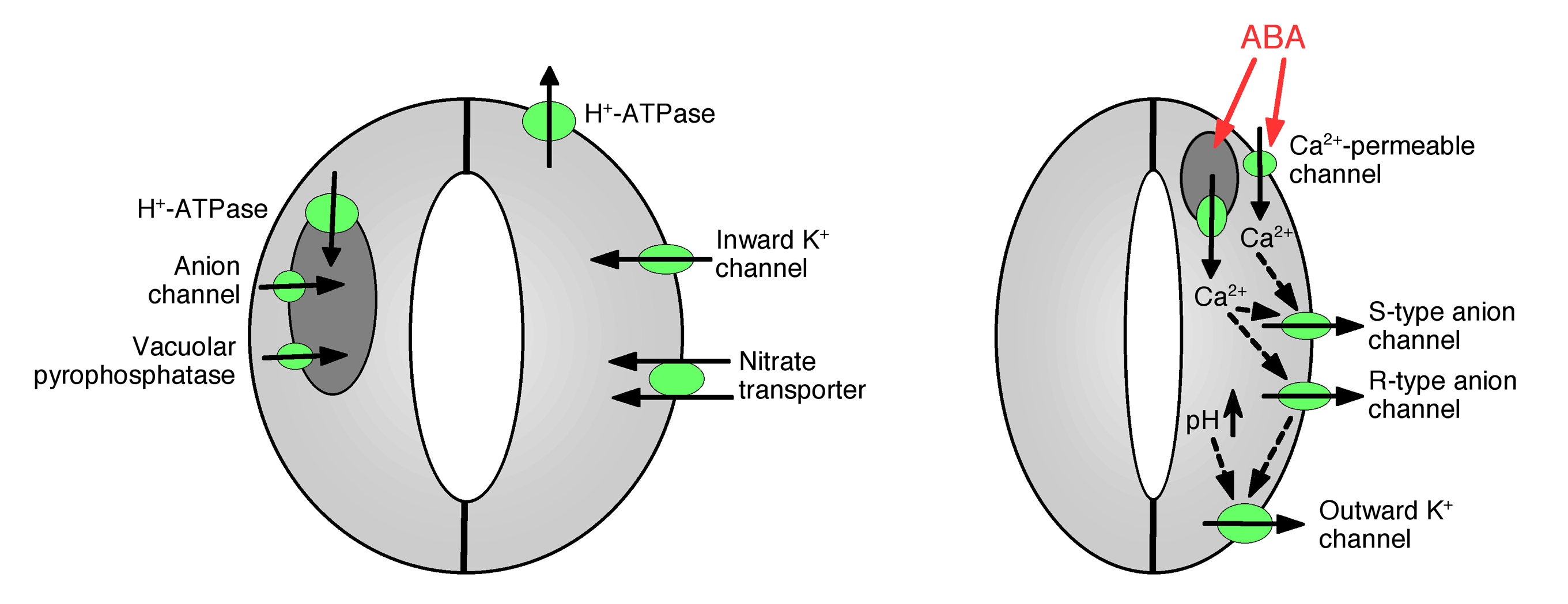
Guard Cells: bean-shaped cells with a pore in between to allow gas exchange.
Palisade Cells: elongated cells with many chloroplasts to carry out photosynthesis.

Root Hair Cells: are found in the roots of plants. Their role is to absorb water and minerals in the soil.

Generalised cells are round or spherical in shape and perform basic life functions. Cheek cells are generalised cells. They are flat, basically round, and protect the inside lining of the mouth. And they are cells that are not specialised cells. However, generalised plant cells are an imaginary, average of all plant cells.

Writing about specialised cells these are their functions
September 29, 2016 at 9:11 am
1) Advantages and disadvantages of each type of microscope is missing. Lots can be found in the table but you must frame them as advantages and disadvantages
2) Pull out three differences between eukaryotic and prokaryotic cells and learn them by heart
3) a generalise animal cell is basically a non specialised cell (add this) remember our conversation about embryos. think epithelial cells.
4) generalise plant cells are a sort of imaginary average of what most plant cells look like.